
Stretch film thickness is a crucial factor in packaging. It influences the strength, durability, and cost of the film.
Choosing the right thickness can make a significant difference in packaging efficiency. It affects how well the film protects and secures loads during transit.
Thicker films offer more protection but come with higher costs. They are less flexible, which can be a drawback for certain applications.
On the other hand, thinner films are more cost-effective and eco-friendly. However, they may not provide the same level of protection as thicker options.
Understanding the nuances of stretch film thickness is essential for packaging professionals. It helps in selecting the right film for specific needs and optimizing packaging operations.
This guide will explore why stretch film thickness matters and how to choose the right one for your packaging needs.
Understanding Stretch Film Thickness: Gauge, Micron, and Mil
Understanding stretch film thickness involves knowing the terms gauge, micron, and mil. These units indicate film thickness in different regions and applications.
In the U.S., gauge is the most common unit for measuring thickness. Packaging professionals often reference thickness in terms of gauge to assess film strength.
A micron, another unit, is used internationally, with 1 micron equal to 0.03937 mils. The choice between micron and gauge usually depends on regional preferences or specific industry standards.
A mil is yet another unit, primarily used for industrial applications where precision is crucial. Converting between these units is essential for international operations.
Here’s a quick breakdown of these units:
- Gauge: Common in the U.S., reflects strength
- Micron: Used internationally, precise and versatile
- Mil: Often used in industrial contexts
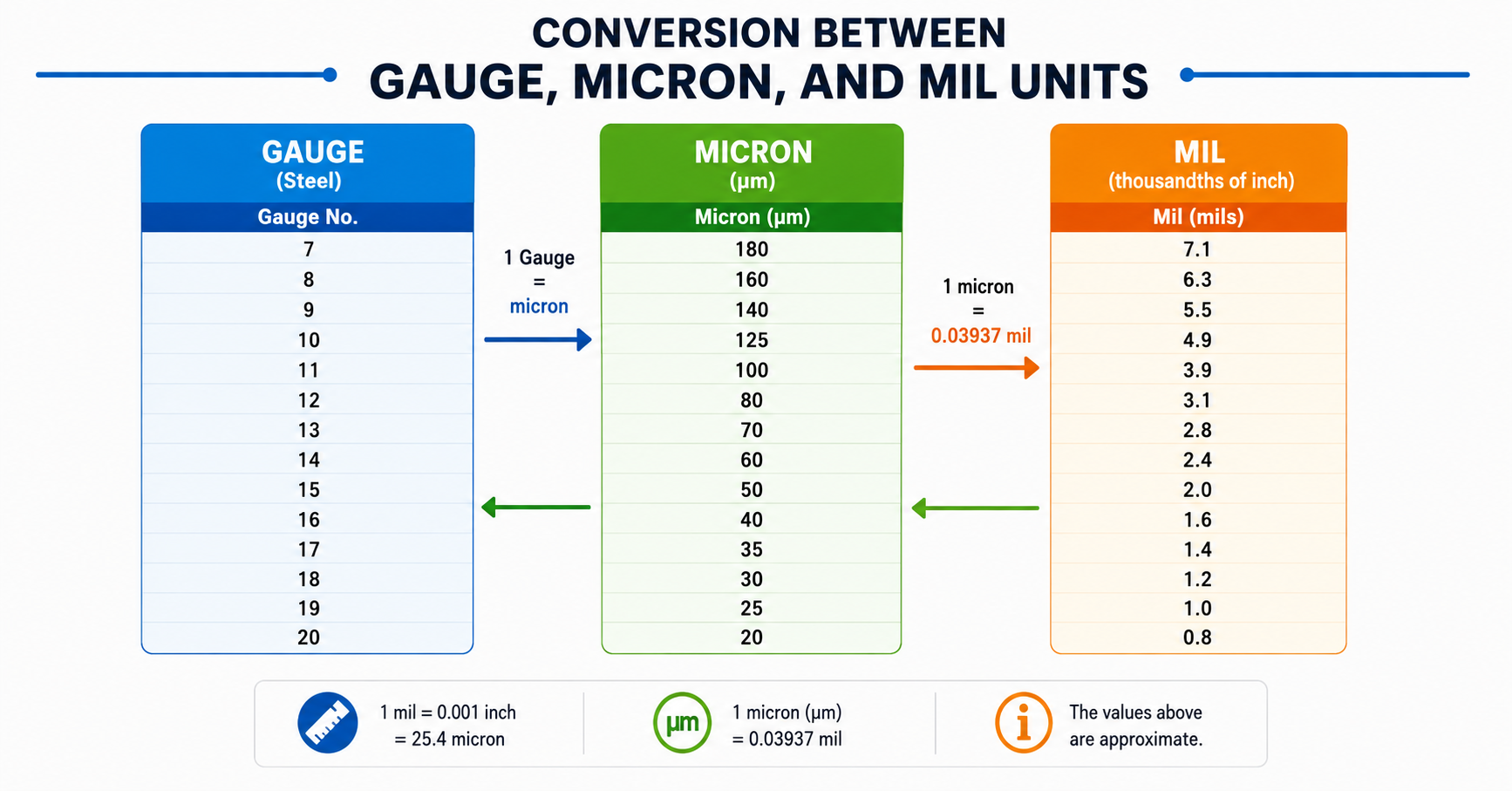
Each unit serves its purpose in helping you select the proper film for your packaging needs. Understanding these measurements allows for informed decisions in choosing the right film thickness.
Why Stretch Film Thickness Matters in Packaging
The thickness of stretch film directly influences packaging efficiency and cost. It’s crucial for both protecting and securing goods in transit.
Thicker films offer superior protection. They are more resistant to punctures and tears, which is vital for fragile items. However, this increased protection comes with added cost.
Conversely, thinner films are more cost-effective and eco-friendly. They use fewer materials, which is better for the environment, but they may not provide the same level of security.
Choosing the right stretch film thickness is important for optimizing load stability. A balance between thickness and performance ensures goods arrive safely at their destination.
Consider the following factors when selecting film thickness:
- Load Weight: Heavier loads need thicker films.
- Fragility: Fragile items benefit from thicker films.
- Cost Considerations: Balance protection with budget.
- Environmental Impact: Thinner films are often greener.
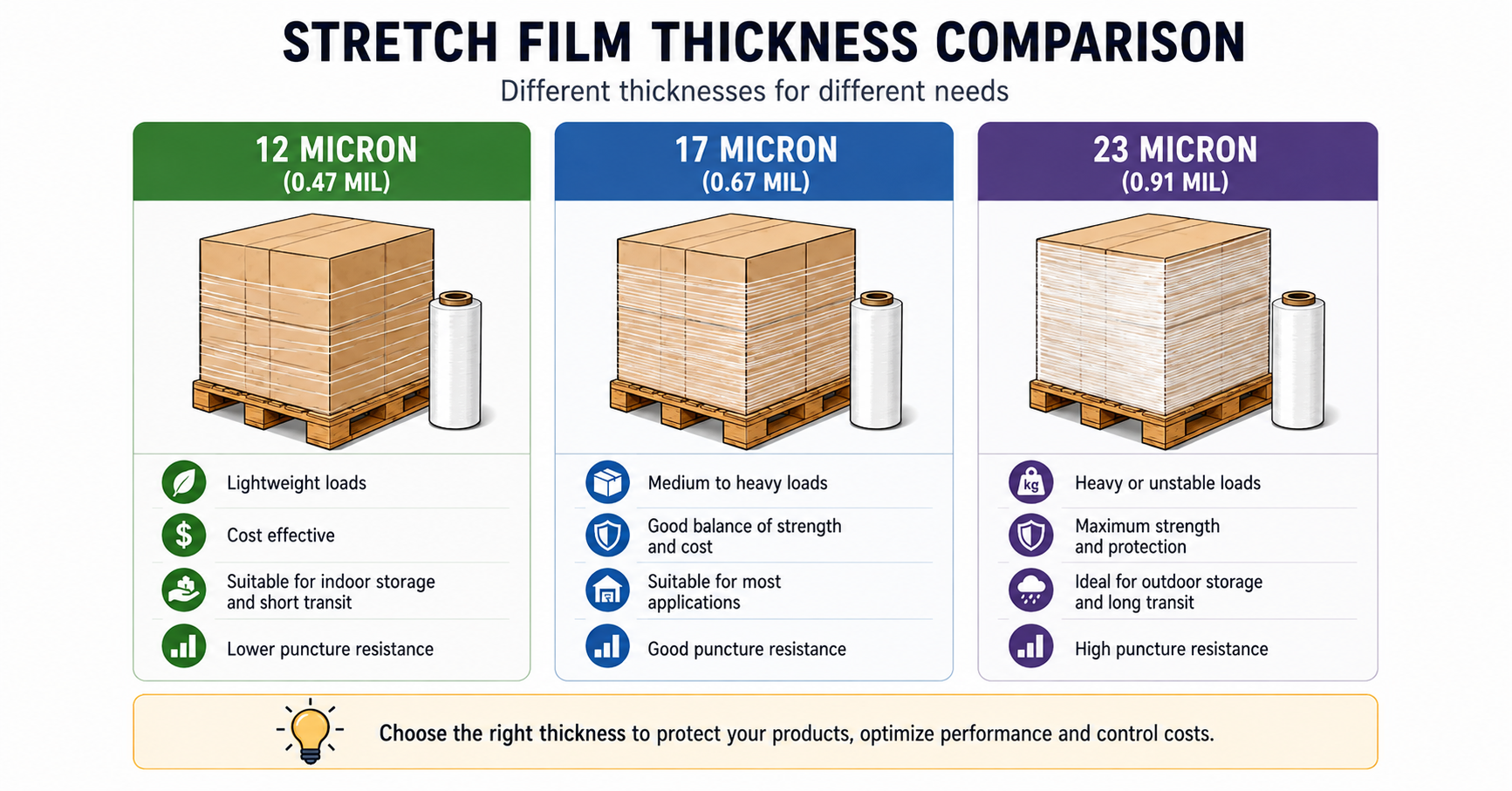
Understanding why stretch film thickness matters helps you make informed packaging decisions. By selecting the appropriate thickness, you enhance load security and potentially save costs.
How to Measure and Convert Stretch Film Thickness
Measuring stretch film thickness involves understanding different units. These units include gauge, micron, and mils, each serving distinct markets.
Gauge is the most common unit in the U.S. One gauge equals 0.254 microns or 0.01 mils. For example, 100 gauge equals 25.4 microns.
Microns are often used in international markets. One micron is 0.03937 mils, offering precise measurement. This unit helps in determining the exact thickness for various applications.
Mils are another measurement used in some industries. One mil equals 0.001 inches or 25.4 microns. Converting between these units aids global companies.
Here is a quick guide for conversion:
- 1 gauge = 0.01 mils
- 1 gauge = 0.254 microns
- 1 mil = 25.4 microns
Using a thickness conversion chart simplifies this process. It ensures accurate calculations when choosing film thickness. This conversion process is essential for operations dealing with diverse markets.
Mastering these conversion techniques helps in selecting the appropriate film. Proper measurements reduce packaging errors and enhance protection.
Stretch Film Thickness Guide: Choosing the Right Gauge for Your Load
Choosing the right stretch film gauge is crucial for effective packaging. The right thickness depends on the type of load you have.
Consider the weight of your load. Heavier loads require thicker films for adequate support. Lighter loads might be suited for thinner films.
Other factors include load type and handling conditions. Irregularly shaped loads may need more flexibility. This could affect your thickness choice.
Understanding industry standards can guide your decision. Here are typical gauge ranges and applications:
- 50-75 gauge: Light loads, low puncture resistance needs.
- 80-120 gauge: Common for medium-duty, everyday use.
A thicker film ensures more durability. However, this comes at a higher cost. Balance is key to avoid unnecessary expenses.
Environmental conditions also impact your choice. If loads are exposed to extreme temperatures, you might need thicker films. This protects against potential damage.
Proper selection prevents waste and boosts efficiency. Use this guide to ensure your packaging is cost-effective and reliable. Correctly gauging stretch film thickness leads to better logistics outcomes.

A stretch film thickness guide is a valuable tool. It aids in navigating complex packaging needs and enhances load security. Always evaluate your specific needs for optimal results.
Impact of Stretch Film Thickness on Performance and Cost
Stretch film thickness is integral to packaging performance. Thicker films usually offer greater strength and durability. This can result in better load stability during transit.
On the flip side, thicker films come with higher costs. They use more material and can be less flexible. This might lead to increased packaging expenses.
Thinner films are more cost-effective and eco-friendly. However, they may not provide the same protection levels. For some loads, thinner films might be sufficient, offering adequate tension and hold.
Consider the balance between thickness and performance. A thicker film might save costs in damage prevention. But, for less demanding loads, a thin film might suffice and reduce costs.
Evaluate cost versus performance with these considerations:
- Thicker films: Ensure protection, higher cost.
- Thinner films: Eco-friendly, less expensive.
- Custom needs: Choose based on specific load requirements.
Choosing the right thickness minimizes waste and ensures packaging efficiency. By understanding the impact on both cost and performance, companies can make informed decisions. Opt for the right balance to achieve optimum packaging solutions.
Stretch Film Thickness and Sustainability
Sustainability is becoming crucial in packaging choices. Stretch film thickness plays a key role. Thinner films are typically more eco-friendly.
They use less raw material, reducing environmental impact. Thinner films can also minimize waste. They offer efficient protection with less volume.
Innovations in stretch film technology have made thinner films stronger. These advancements ensure they retain strength while reducing thickness. This helps in achieving sustainability goals without sacrificing performance.
Eco-conscious companies often select thinner films for packaging. They reduce plastic usage and lessen their carbon footprint.
Consider the sustainability benefits when choosing film thickness:
- Eco-friendly materials: Opt for biodegradable or recyclable options.
- Minimize waste: Use exact thickness required.
- Advanced technologies: Choose films with enhanced properties.

Making informed thickness choices supports sustainability efforts. It aligns packaging strategies with environmental objectives. By balancing protection and eco-friendliness, companies contribute positively to the planet.
Common Myths About Stretch Film Thickness
Many misconceptions exist about stretch film thickness. One common myth is that thicker means better. However, thicker films are not always more effective.
Another myth is that all thicknesses provide the same protection. In reality, the right thickness depends on the specific load and conditions. Not every application benefits from thicker film.
Some believe that choosing stretch film thickness is straightforward. But selecting the optimal thickness involves careful consideration. It’s not just about choosing the thickest option.
Here are myths debunked:
- Thicker film is always better
- All thicknesses provide equal protection
- Selection of film thickness is simple
Understanding the truth about these myths helps in making informed packaging choices. Busting these myths ensures packaging is both efficient and cost-effective.
Practical Tips for Selecting the Right Stretch Film Thickness
Choosing the correct stretch film thickness is crucial for effective packaging. Begin by assessing the weight and type of load. Heavier loads often require thicker film to ensure stability.
Consider the shipping environment. Loads facing harsh conditions may need extra protection. This can mean selecting a thicker, more durable film.
To aid selection, use a stretch film thickness guide. These guides provide advice based on the specifics of your load. Another valuable tool is a conversion chart. It helps understand different thickness measurements.
Key Considerations:
- Load weight and type
- Shipping conditions
- Use of a thickness guide
Consider environmental factors as well. Films today are designed with sustainability in mind. Thinner films can be both cost-effective and eco-friendly.
Review these factors regularly. Needs can change over time. Ensure your choice remains optimal through periodic reassessment.
Additional Tips:
- Use conversion charts
- Consider sustainable options

Conclusion: Optimizing Packaging with the Right Stretch Film Thickness
Understanding the role of stretch film thickness is crucial for efficient packaging. Different thicknesses provide varied levels of protection, flexibility, and cost-efficiency.
Choosing the right stretch film thickness depends on several factors. Consider load type, shipping conditions, and cost implications for the best results.
Ultimately, an informed decision on film thickness can enhance packaging performance, reduce waste, and save costs. Aim for balance to ensure goods remain protected during transit.