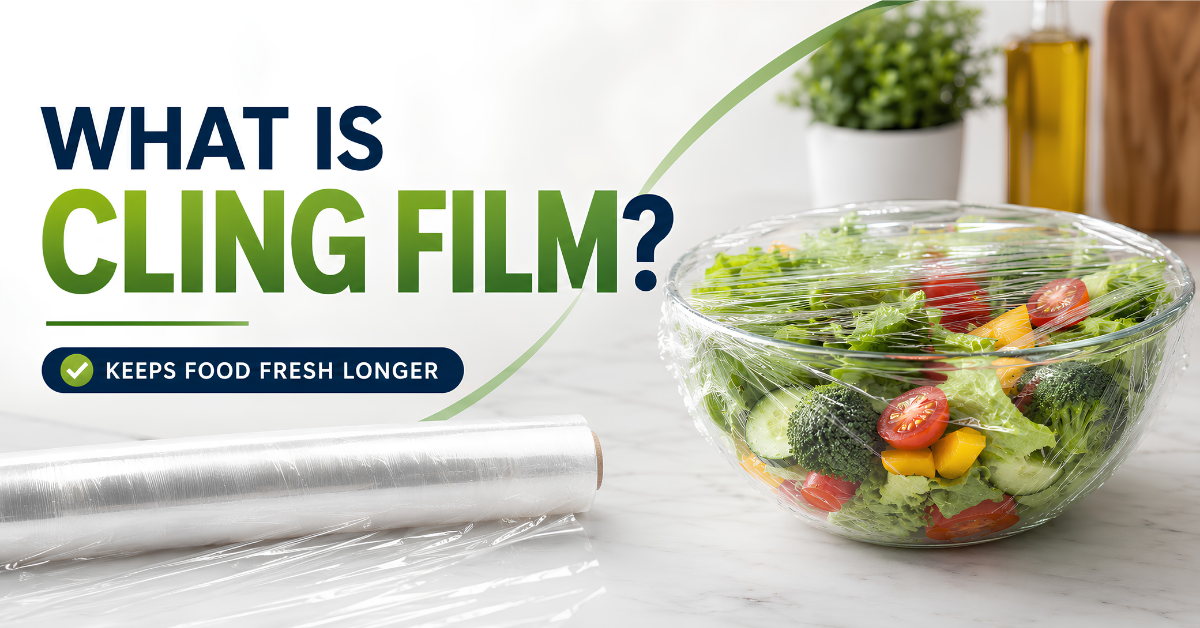
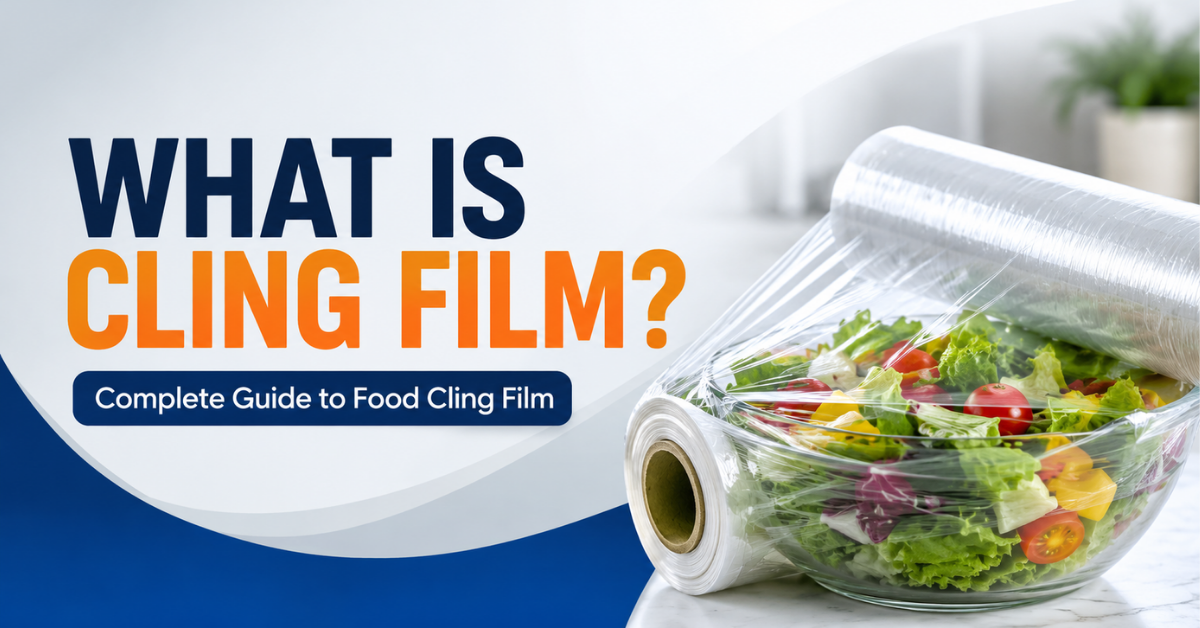
Cling film is a staple in kitchens worldwide. It’s a thin, flexible plastic wrap used to seal food items. This helps keep them fresh and safe from contaminants.
But what exactly is cling film, and how does it work? Understanding its properties and uses can enhance your food storage practices.
Cling film is versatile, used in homes and commercial kitchens alike. It wraps sandwiches, covers bowls, and protects leftovers.
Safety is a common concern. Is cling film safe for food? We’ll explore this and more in our guide.
Join us as we delve into the world of cling film, its uses, and best practices for food packaging.
What Is Cling Film?
Cling film, often known as plastic wrap, is a thin plastic sheet. It’s primarily used to cover and protect food. This makes it a go-to choice for preserving freshness.
Produced from materials like polyvinyl chloride (PVC) or low-density polyethylene (LDPE), cling film is both stretchable and adhesive. These properties allow it to cling to surfaces, forming a tight seal.
Here are some key characteristics of cling film:
- Transparent: Easy to see the food inside.
- Flexible: Wraps around food containers with ease.
- Sticky: Adheres well to surfaces for a secure hold.
It’s essential to note that cling film is available in various grades. Food grade cling film is designed to be safe for direct contact with food. This ensures that harmful chemicals do not leach into your meals. By choosing the right type of cling film, you’ll maintain the quality and safety of your stored food.
How Does Cling Film Work?
Cling film operates by forming a barrier around food items. This barrier is crucial as it prevents air and moisture from reaching the food. By sealing off these elements, cling film helps to maintain the freshness of the food.
The science behind cling film is quite simple yet effective. Its tackiness comes from the film’s material properties, which allow it to stretch and stick. This sticky nature ensures that it adheres well to both itself and various surfaces, creating a tight seal.
Key factors that contribute to its effectiveness include:
- Stretchability: Adapts to different shapes and sizes.
- Adhesiveness: Ensures a seal that keeps out air.
- Transparency: Allows you to see the contents easily.
Overall, the protective layer it creates is vital for prolonging the freshness and quality of stored food, both in the refrigerator and freezer.
What Is Cling Film Used For?
Cling film is a versatile tool in both home and professional kitchens. It keeps food fresh and prevents it from drying out or absorbing odors. Its primary use is to cover bowls, wrap sandwiches, and protect leftovers in refrigerators.
Aside from basic food storage, cling film serves various specific purposes. For instance, it’s used to wrap cut fruits and vegetables, preserving their freshness longer. Additionally, it prevents freezer burn when wrapping foods for freezing, maintaining their quality.
Here are some common uses of cling film:
- Wrapping sandwiches for lunchboxes.
- Protecting baked goods to keep them moist.
- Covering dishes to prevent spills during transport.
In commercial kitchens, cling film is indispensable for food safety and hygiene. It helps organize ingredients and keeps them separated, ensuring optimal food preparation conditions. This makes it an essential tool for any chef or food service establishment.
Types of Cling Film: Materials and Grades
Cling film is typically made from two main types of plastic: polyvinyl chloride (PVC) and low-density polyethylene (LDPE). PVC cling film is known for its superior clinginess and flexibility, making it a favorite in many kitchens. However, due to environmental concerns, LDPE cling film is becoming more popular as it’s deemed more eco-friendly.
Food grade cling film is specifically designed to ensure safety when in contact with food. It is crucial to choose food grade varieties to avoid any risk of harmful chemical transfer. These films are tested to meet safety standards for food contact, providing peace of mind to users.
When selecting cling film, consider the following:
- Material (PVC or LDPE): Determines the film’s clinginess and environmental impact.
- Thickness and Strength: Affects durability and tear resistance.
- Food Grade Certification: Ensures safety for food use.
Each type has its advantages, depending on your specific needs. Whether for household use or commercial kitchens, the choice between PVC and LDPE may depend on your priority—performance or sustainability.
Is Cling Film Safe for Food?
Safety is a top concern when it comes to cling film and food. Food grade cling film is considered safe for use with most foods. It is designed to prevent harmful chemicals from leaching into your food during storage.
However, it is important to use cling film correctly. High-fat or acidic foods can cause certain films to degrade or melt, especially in the microwave. Always check that your cling film is labeled as microwave-safe before using it in a microwave oven.
To ensure food safety, follow these guidelines:
- Avoid Contact with High-Heat: Never place cling film directly on foods being heated.
- Be Cautious with Fatty Foods: Limit use with high-fat foods to avoid chemical transfer.
- Check for Food Grade Labels: Ensure packaging indicates safety for food contact.
When used properly, cling film is a convenient and effective tool for preserving food freshness without compromising safety.
How to Use Cling Film for Food
Using cling film properly can extend your food’s freshness and reduce waste. Start by tearing a piece large enough to cover your dish completely. Make sure the piece overlaps the edges of the container for a secure seal.
When wrapping sandwiches or loose items, fully encase them in a layer of cling film. Ensuring no air pockets are left can help keep your food fresh. Always ensure the wrap is tight and clings well to minimize air exposure.
Here are some steps to follow for effective food wrapping:
- Cover Bowls and Plates: Use cling film to cover dishes, ensuring tight sealing.
- Wrap Sandwiches and Snacks: Protect packed lunches by wrapping them tightly.
- Preserve Produce: Extend the life of fruits and veggies by wrapping cut pieces.
Remember, proper storage is key. Store wrapped foods in the refrigerator or freezer to maintain freshness. Choose a film suitable for your specific storage needs, whether for chilling or freezing. Always read the product instructions for additional guidance on safe usage.
Cling Film in Restaurants and Commercial Kitchens
In restaurants, cling film is a vital tool for maintaining food safety and hygiene. It’s used to cover prepared dishes, ensuring they remain uncontaminated until served. The versatility and ease of use make it indispensable in busy kitchen environments.
Commercial kitchens often rely on cling film for food storage and preparation. It helps to organize ingredients, prevent cross-contamination, and maintain freshness. Its protective barrier is crucial for food preservation and minimizing spoilage.
Here are some common uses of cling film in professional settings:
- Storing Prepared Ingredients: Keeps items fresh for later use.
- Covering Dishes: Prevents contamination during service.
- Organizing Items: Helps separate different ingredients efficiently.
Selecting the right cling film is important for commercial applications. Choose a durable, food-grade option that withstands demanding kitchen conditions. Consider microwave-safe properties if you will use the film for reheating.
Best Cling Film for Food Packaging: What to Look For
Choosing the best cling film for food packaging involves considering a few key factors. The film should be strong and stretchable to ensure a tight seal. This will keep air and moisture out, preserving the freshness of the food.
A high-quality food grade cling film will adhere well to various surfaces, such as bowls and dishes. Look for films that are easy to tear without shredding, making handling more convenient. Additionally, ensure it’s suitable for use in both the refrigerator and freezer.
Here are some attributes to consider when selecting cling film:
- Strength and Stretchability: Allows for tight wrapping.
- Adhesive Properties: Ensures secure covering.
- Food Grade Safety: Certified safe for food contact.
These features will help in choosing a reliable film that effectively protects and stores food in both home and commercial settings.
Cling Film and the Environment: Sustainability and Alternatives
The environmental impact of cling film is a growing concern. Traditional plastic wraps are not biodegradable, contributing to long-term waste. However, newer innovations are helping reduce this footprint.
Some cling films now incorporate biodegradable materials. These eco-friendly options break down quicker, lessening their environmental load. Moreover, recycling programs are expanding to include certain types of plastic wrap.
For those seeking sustainable alternatives, several options exist:
- Beeswax Wraps: Reusable and biodegradable.
- Silicone Lids: Durable and washable.
- Reusable Plastic Wraps: Made from eco-friendly materials.
Choosing these alternatives supports sustainability. As awareness grows, businesses and households are increasingly exploring these environmentally friendly wrapping solutions. Prioritizing less wasteful options is a responsible step toward reducing plastic pollution.
Conclusion: Choosing and Using Cling Film Wisely
Cling film is a useful tool in both home kitchens and commercial settings. It keeps food fresh, prevents contamination, and helps reduce food waste.
When selecting cling film, consider its intended use and safety for food contact. Opt for high-quality, food-grade options and explore sustainable alternatives to reduce environmental impact. Making informed choices will ensure that your food remains safe and preserved effectively.