Industrial packaging plays a critical role in protecting products throughout storage, transportation, and distribution. Whether goods are moving across a warehouse, between manufacturing facilities, or through complex supply chains, maintaining product stability is essential. Among the many packaging materials used across industries, stretch film has become one of the most widely adopted solutions due to its versatility, cost-effectiveness, and ability to secure loads efficiently.
A stretch film roll is commonly seen wrapped around pallets, cartons, bundled products, and industrial materials. Its elastic properties allow it to stretch around products while applying consistent holding force that keeps loads stable during handling and transportation. From manufacturing plants and logistics hubs to retail distribution centers and export facilities, stretch wrap has become a standard packaging material across numerous industries in India.
As businesses continue to focus on reducing product damage, improving operational efficiency, and optimizing packaging costs, understanding the role of stretch film becomes increasingly important. This guide explains what stretch film is used for in industrial packaging, how it benefits businesses, where it is commonly applied, and what factors companies should consider when selecting the right packaging solution for their operations.
Understanding Stretch Film and Its Role in Packaging
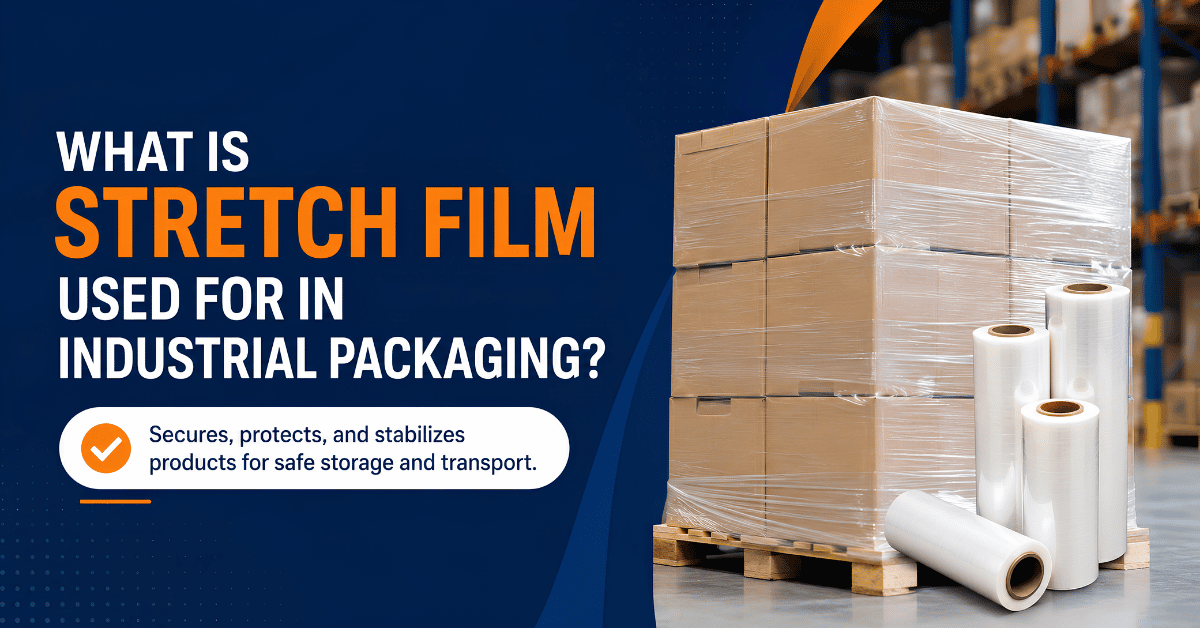
Stretch film is a highly stretchable plastic packaging material designed to tightly secure products and loads. When applied around a pallet or grouped items, the film stretches and attempts to return to its original shape, creating a holding force that keeps products firmly in place.
Unlike adhesive tapes or strapping systems, stretch film provides containment by using tension generated during wrapping. This allows businesses to secure products without causing damage to cartons, packaging surfaces, or labels. The flexibility of stretch wrap makes it suitable for a wide range of packaging requirements, from lightweight consumer goods to heavy industrial products.
In modern supply chains, stretch film serves as a protective layer that helps maintain load integrity throughout transportation and storage. Companies rely on it not only for product protection but also for improving warehouse efficiency, reducing handling issues, and ensuring products reach customers in proper condition.
The widespread use of stretch film across industries demonstrates its value as a practical packaging solution that balances protection, flexibility, and operational efficiency.
Why Stretch Film Is Essential in Industrial Packaging
Industrial environments expose products to various risks during storage and transportation. Pallets can shift during movement, cartons can become unstable, and products may be exposed to dust, dirt, and moisture. Stretch film helps address these challenges by providing a secure containment system.
One of the primary reasons businesses use stretch wrap is load stabilization. A properly wrapped pallet remains compact and stable, reducing the likelihood of products shifting during forklift handling, truck transportation, or warehouse stacking. This contributes directly to fewer damaged goods and reduced operational losses.
Stretch film also improves packaging consistency. Unlike manual containment methods that may vary from operator to operator, wrapping processes can be standardized to ensure similar protection levels across all shipments. This consistency is particularly important for manufacturers and distributors handling large volumes of products daily.
Another significant advantage is cost efficiency. Compared to alternative load-securing methods, stretch film offers an economical solution that can be applied quickly while minimizing packaging material usage. For businesses seeking to balance protection and cost control, stretch film remains a preferred choice.
Common Uses of Stretch Film in Industrial Packaging
Pallet Wrapping and Load Stabilization
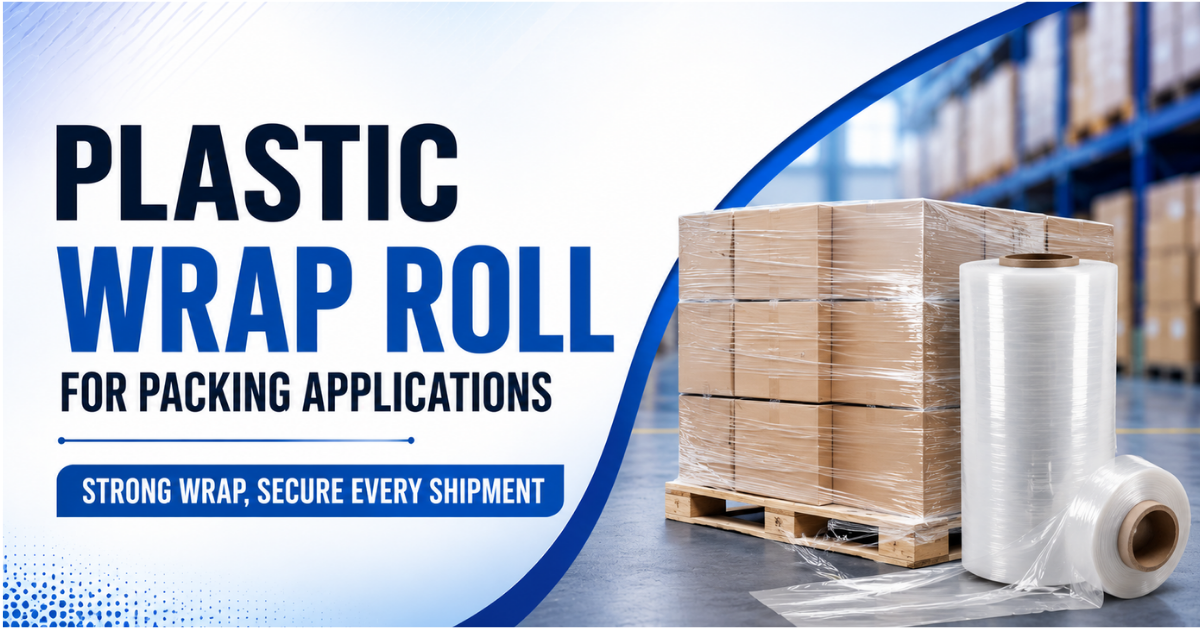
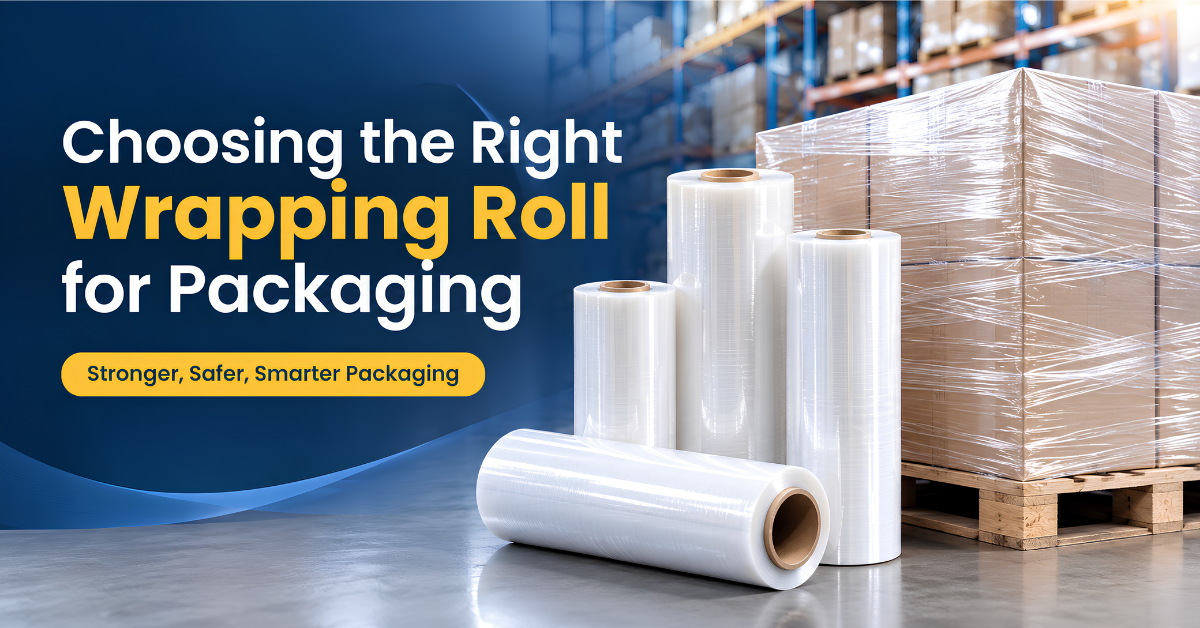
The most common use of stretch film is pallet wrapping. Manufacturers, distributors, and logistics companies wrap loaded pallets to secure cartons, bags, containers, and packaged products together as a single unit.
During transportation, vehicles encounter acceleration, braking, vibrations, and road movements that can destabilize loads. Stretch film helps keep products tightly bound, reducing the risk of movement and maintaining shipment integrity from origin to destination.
For export shipments and long-distance transportation, stable pallet loads become even more important because products may pass through multiple handling points before reaching the final customer.
Product Bundling
Many businesses use stretch film to bundle multiple products together. Bundling simplifies handling, inventory management, and transportation by creating consolidated units.
Examples include:
- Bundling cartons together
- Grouping packaged consumer goods
- Securing industrial components
- Combining multiple items for shipment
This application is particularly useful when products need to remain organized while moving through warehouses or distribution channels.
Warehouse Storage Protection
Products stored in warehouses can be exposed to dust, dirt, and environmental contaminants. Stretch wrap provides an additional protective layer that helps maintain product cleanliness during storage.
For businesses managing large inventories, wrapped pallets are often easier to identify, stack, and organize. The packaging helps maintain load structure while reducing the chances of cartons becoming separated or damaged during routine warehouse operations.
Protection During Internal Material Movement
Manufacturing facilities frequently move products between production areas, storage zones, and shipping departments. Even short-distance movements can create instability if products are not properly secured.
Stretch film helps ensure products remain intact during internal transportation. This is especially important for high-volume manufacturing environments where materials are continuously moving throughout the facility.
Industries That Commonly Use Stretch Film
Stretch film is used across a broad range of industries because virtually every sector requires product protection and load containment.
Manufacturing Industry
Manufacturers use stretch film to secure finished products before shipping. Whether handling packaged consumer goods, industrial components, or raw materials, manufacturers rely on stretch wrap to maintain product stability throughout distribution.
Logistics and Warehousing
Third-party logistics providers and warehouse operators handle large volumes of palletized goods daily. Stretch film supports efficient storage, transportation, and inventory management by ensuring products remain secure throughout the supply chain.
Food and Beverage Industry
Food and beverage companies often use stretch film to stabilize packaged products during transportation and storage. Pallet containment helps maintain organization and reduces handling-related damage throughout distribution networks.
Retail Distribution
Retail supply chains involve multiple transportation and storage stages before products reach store shelves. Stretch film assists in maintaining load integrity while improving handling efficiency at distribution centers and warehouses.
Agriculture and Industrial Goods
Agricultural products, industrial materials, and packaged commodities often require secure transportation across long distances. Stretch wrap helps protect these products while reducing risks associated with shifting loads.
Key Benefits of Using Stretch Wrap for Packaging Operations
Businesses choose stretch film because it delivers multiple operational benefits beyond simple load containment.
One major advantage is damage reduction. Product movement is a leading cause of transportation-related losses. By stabilizing loads, stretch wrap helps minimize breakage, crushed cartons, and other forms of shipment damage.
Another benefit is improved handling efficiency. Forklift operators and warehouse staff can move stable pallet loads more safely and efficiently. This contributes to smoother warehouse operations and reduced labor disruptions.
Stretch film also supports better inventory organization. Wrapped loads are easier to identify, stack, and manage, helping warehouses maintain cleaner and more organized storage areas.
From a cost-management perspective, businesses appreciate the ability to secure large quantities of products using relatively small amounts of packaging material. This combination of protection and efficiency contributes to lower overall packaging costs.
Furthermore, stretch wrap provides flexibility for different product types, pallet sizes, and packaging requirements. Companies can adapt wrapping methods to suit specific operational needs without requiring major changes to existing workflows.
Factors to Consider When Selecting Stretch Film
Not all packaging operations have identical requirements. Businesses should evaluate several factors before choosing a stretch film solution.
Load weight is one of the most important considerations. Heavier products may require different wrapping strategies compared to lightweight goods. Understanding load characteristics helps ensure adequate containment and stability.
Transportation conditions should also be considered. Products traveling long distances or through multiple distribution points may require stronger load retention compared to goods shipped locally.
Warehouse handling practices influence film selection as well. Facilities with frequent pallet movement often benefit from packaging solutions designed to maintain load integrity throughout repeated handling cycles.
Businesses should also assess wrapping methods. Some operations rely on manual application, while others utilize automated packaging systems. The chosen film should align with operational workflows and packaging objectives.
Additionally, organizations should evaluate overall packaging efficiency rather than focusing solely on material usage. Effective load containment can reduce product damage, improve productivity, and support long-term operational performance.
Best Practices for Using Stretch Film Effectively
Even high-quality stretch film cannot deliver optimal results if applied incorrectly. Proper wrapping techniques play a significant role in achieving load stability and product protection.
A secure wrap typically begins with anchoring the film around the pallet base. This creates a connection between the load and pallet, improving overall stability during transportation.
Consistent wrapping tension is also important. Uneven application can create weak areas that reduce load containment effectiveness. Businesses should establish standardized wrapping procedures to ensure reliable results across all shipments.
Regular evaluation of packaging performance can help identify opportunities for improvement. Monitoring transportation damage rates, load stability issues, and warehouse handling challenges provides valuable insights for optimizing packaging operations.
Training personnel on proper wrapping methods further enhances packaging consistency and contributes to improved operational outcomes.
Conclusion
Stretch film has become an essential component of industrial packaging because it provides an effective balance of product protection, load stability, and operational efficiency. From pallet wrapping and product bundling to warehouse storage and transportation security, stretch wrap plays a critical role in helping businesses protect goods throughout the supply chain.
For manufacturers, logistics providers, distributors, retailers, and industrial operations across India, stretch film supports safer handling, reduced product damage, and more efficient packaging processes. Its flexibility allows businesses to adapt packaging solutions to a wide variety of products and operational requirements.
Understanding what stretch film is used for in industrial packaging helps organizations make better packaging decisions and improve supply chain performance. As businesses continue to seek reliable and cost-effective packaging solutions, stretch film remains one of the most practical and widely used materials for securing products and maintaining load integrity from warehouse to destination.