When choosing a packaging solution for shipping, storage, or retail products, one of the most common questions businesses ask is whether to use stretch film or shrink film. Although both materials are classified as packaging film and are widely used across manufacturing, warehousing, logistics, and distribution, they serve very different purposes. Selecting the wrong option can increase packaging costs, reduce product protection, slow operational efficiency, and even affect customer satisfaction.
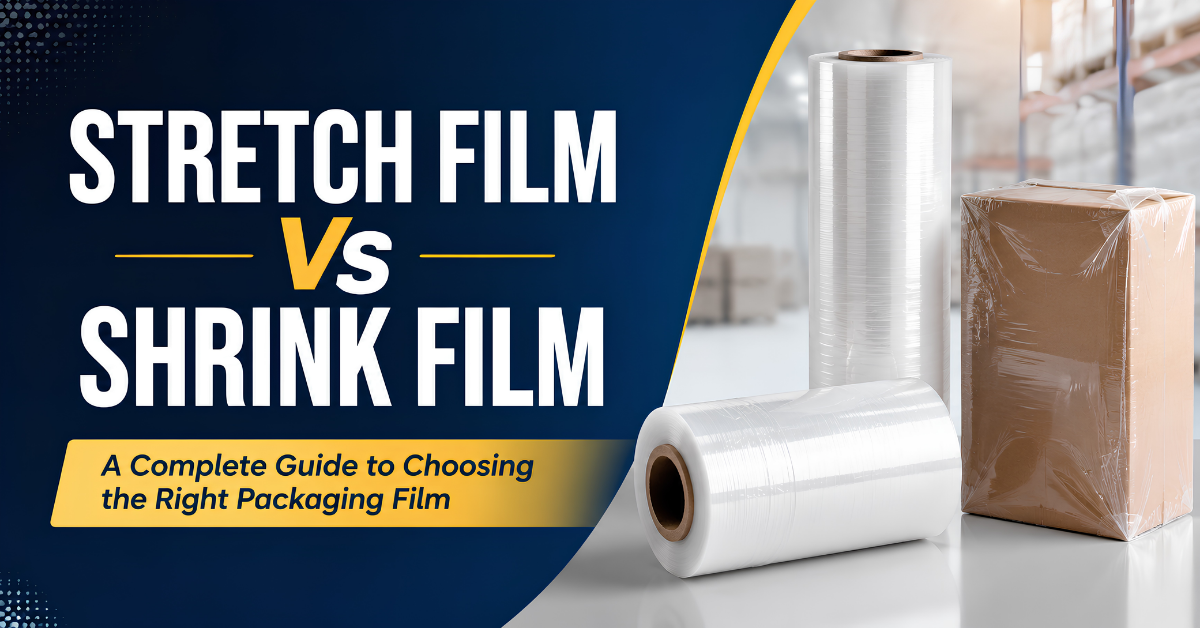
Many buyers assume these films are interchangeable because they both wrap products in plastic. In reality, their working principles, applications, equipment requirements, and performance characteristics differ significantly. Stretch film secures products by stretching around them under tension, while shrink film requires heat to tightly conform around the product. Understanding these differences helps procurement teams, packaging engineers, warehouse managers, and manufacturers make informed purchasing decisions.
In India’s rapidly growing manufacturing and logistics sectors, businesses are increasingly focused on optimizing packaging operations while reducing waste and improving transportation efficiency. Whether you’re wrapping palletized goods for export, protecting industrial components during storage, or packaging retail products for display, understanding the strengths and limitations of each packaging film is essential.
This guide explains the major differences between stretch film and shrink film, compares their applications, highlights their advantages and limitations, and provides practical guidance on selecting the right solution for your packaging requirements.
What Is Stretch Film?
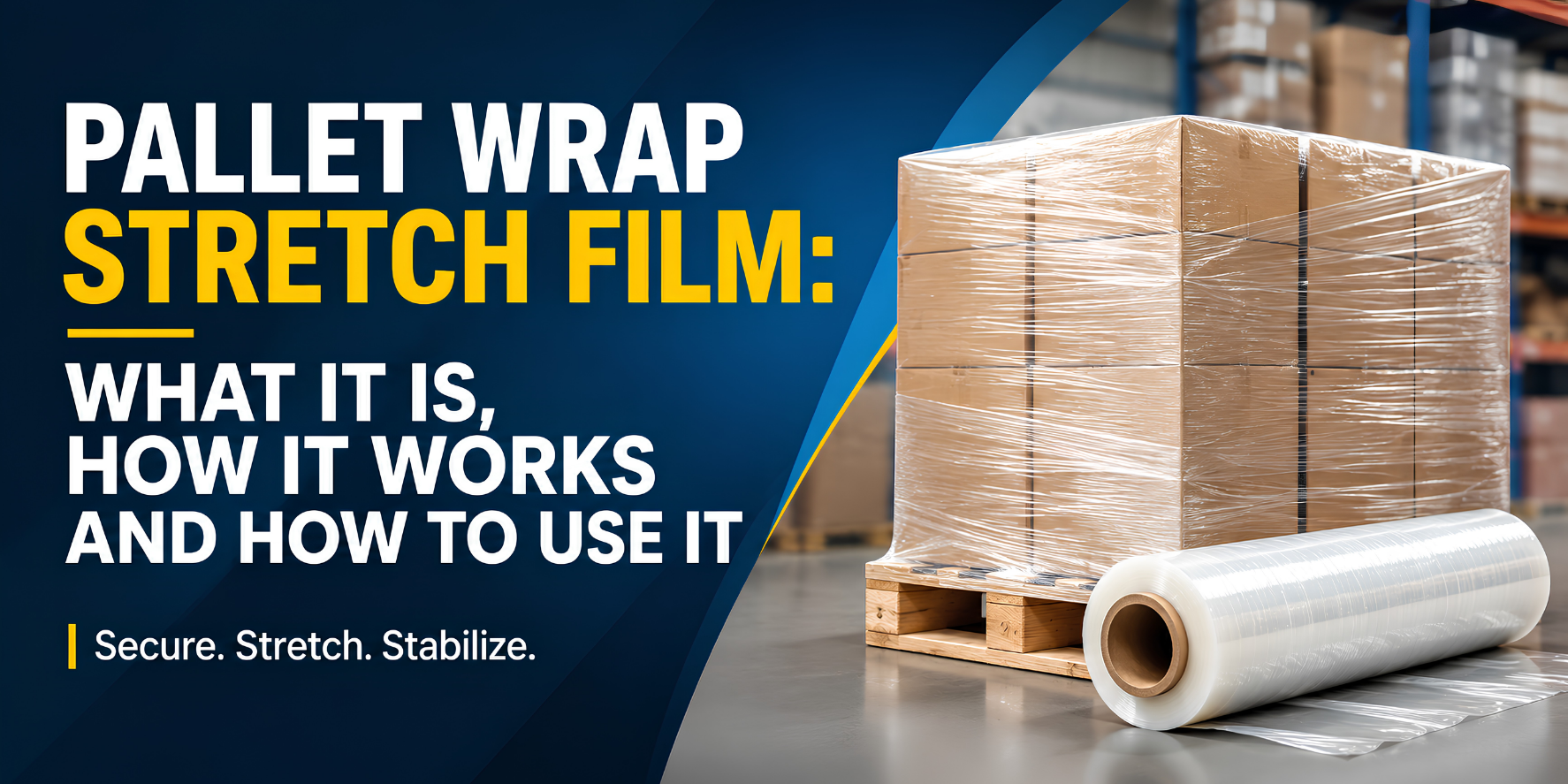
Stretch film is a highly stretchable plastic packaging film primarily used to stabilize and secure products during storage and transportation. Instead of relying on heat, the film is mechanically stretched while wrapping around products. As it attempts to return to its original size, it creates continuous tension that keeps items tightly bundled together.
This makes stretch film particularly suitable for pallet wrapping, warehouse operations, manufacturing facilities, logistics companies, and export packaging where load stability is essential. It protects products from dust, dirt, and moisture while reducing movement during transportation. Industrial users commonly apply it to cartons, pallets, machinery, building materials, consumer goods, and packaged products.
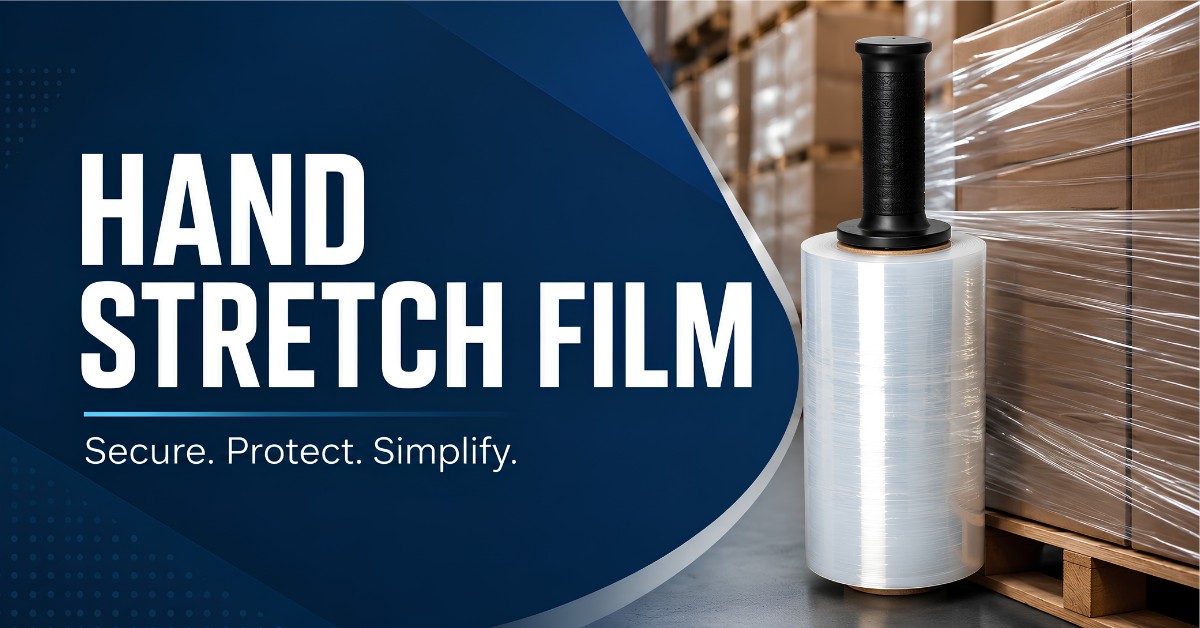
Modern industrial packaging offers multiple stretch film options designed for different operational requirements. Businesses can choose hand stretch film for manual wrapping, machine stretch film for automated packaging lines, mini stretch wrap rolls for bundling smaller items, UV stretch film for outdoor storage, black stretch film for load concealment, colored stretch film for identification, silage stretch film for agriculture, and VCI stretch film for protecting metal components from corrosion.
For companies looking to improve pallet stability and transportation efficiency, Stretch Film provides a versatile packaging solution suitable for a wide range of industrial applications.
What Is Shrink Film?
Shrink film is another widely used packaging film, but it works very differently from stretch film. Instead of stretching around products, shrink film is loosely placed over an item before heat is applied using a heat gun, shrink tunnel, or shrink wrapping machine. The heat causes the material to shrink uniformly around the product, creating a tight, protective covering.
Shrink film is commonly used for retail packaging, consumer products, food packaging, pharmaceuticals, electronics, printed materials, promotional kits, and multipack products. It creates an attractive appearance while protecting products from dust, moisture, tampering, and handling damage.
Unlike stretch film, shrink film wraps individual products rather than stabilizing entire pallets. The tight finish also improves shelf presentation, making it a preferred choice for products displayed in retail stores. Because the packaging conforms closely to the product’s shape, it offers a clean, professional appearance that enhances visual appeal.
Although shrink film offers excellent product presentation, it requires additional equipment and energy to generate the heat needed for shrinking, which increases operational complexity compared to stretch wrapping.
Stretch Film vs Shrink Film: Major Differences
Although both materials belong to the packaging film category, their differences become clear when comparing their function, application methods, and intended use.
Wrapping Method
Stretch film relies on mechanical stretching. Operators or machines apply tension while wrapping products, and the film’s elastic recovery keeps loads tightly secured.
Shrink film requires heat after wrapping. Once exposed to controlled heat, the material contracts around the product to create a tight seal.
Primary Purpose
Stretch film is designed primarily for load stabilization, pallet wrapping, bundling, and transportation security.
Shrink film focuses on individual product packaging, retail presentation, tamper evidence, and protective sealing.
Equipment Requirements
Stretch wrapping can be performed manually or using automatic wrapping machines depending on production volume.
Shrink wrapping generally requires additional equipment such as heat tunnels or heat guns, making the packaging process more equipment-intensive.
Packaging Appearance
Stretch film creates a secure wrap around grouped products without tightly conforming to every contour.
Shrink film closely follows the shape of the product, producing a smooth and attractive retail-ready finish.
Typical Applications
Stretch film is commonly used for:
- Warehouse pallet wrapping
- Export shipments
- Manufacturing plants
- Logistics operations
- Industrial packaging
- Distribution centers
Shrink film is commonly used for:
- Consumer products
- Food packaging
- Beverage multipacks
- Retail displays
- Pharmaceutical products
- Printed materials
When Should You Choose Stretch Film?
Businesses involved in industrial packaging often prioritize transportation safety, operational efficiency, and cost-effective pallet stabilization. In these situations, stretch film provides significant advantages because it keeps products securely wrapped without requiring heat.
Stretch film performs especially well when multiple cartons, boxes, bags, or products need to be combined into a single stable load. Warehouses handling hundreds of pallets daily benefit from faster application speeds and lower operational costs, particularly when using machine stretch film. Companies with lower packaging volumes can achieve similar benefits using hand stretch film without investing in automated systems.
Another important advantage is versatility. Industrial users can select different types of stretch film depending on operational needs. UV stretch film supports outdoor storage, black stretch film conceals valuable shipments, colored stretch film improves inventory identification, and VCI stretch film helps protect metal components during storage and transportation.
For manufacturers, exporters, logistics providers, warehouses, and distribution companies, stretch film remains one of the most efficient solutions for securing palletized goods while reducing the risk of load shifting during transit.
When Is Shrink Film the Better Choice?
Shrink film becomes the preferred option when the packaging itself plays an important role in product presentation, retail merchandising, or tamper protection.
Retail products often need packaging that looks clean, transparent, and professionally finished. Shrink film creates a close-fitting seal that improves product visibility while protecting items from dirt, moisture, and handling during transportation and shelf display.
Manufacturers also choose shrink film for bundling promotional packs, combining multiple products into retail-ready packages, and protecting products that require sealed packaging before reaching consumers.
Businesses should remember that shrink film generally involves higher equipment investment and additional energy consumption because heat is required during the packaging process. While this may be acceptable for retail manufacturing, it may not provide the most economical solution for industrial pallet wrapping or warehouse operations.
How to Choose the Right Packaging Film
Choosing between stretch film and shrink film should never be based solely on price. The correct decision depends on the products being packaged, handling conditions, storage environment, transportation requirements, production volume, and customer expectations.
Ask the following questions before selecting a packaging film:
- Are you wrapping individual products or entire pallets?
- Will products be stored indoors or outdoors?
- Is retail presentation important?
- Do you require load stability during transportation?
- Is automated packaging equipment already available?
- Do you need tamper-evident packaging?
- Will products be exported over long distances?
If your primary objective is stabilizing pallet loads, improving warehouse efficiency, and protecting products during transportation, stretch film is generally the more suitable choice.
If the goal is attractive retail packaging, sealed consumer products, or individual item protection, shrink film is often the better solution.
Matching the packaging material to operational requirements helps businesses reduce waste, improve packaging performance, lower transportation risks, and increase overall efficiency.
Conclusion
Although stretch film and shrink film may appear similar, they are designed to solve different packaging challenges. Stretch film excels in industrial environments where pallet stability, transportation security, warehouse efficiency, and logistics performance are the primary objectives. Its ability to secure loads without heat makes it a practical and cost-effective solution for manufacturers, exporters, warehouses, and distribution centers.
Shrink film, on the other hand, is better suited for retail packaging, consumer products, and situations where appearance, tamper protection, and tightly sealed packaging are essential. Understanding the operational differences between these packaging films enables businesses to make smarter purchasing decisions and optimize packaging performance.
Rather than asking which packaging film is better, the more important question is which one best supports your specific application. Selecting the right solution helps improve product protection, streamline operations, and create greater value throughout the supply chain.