Packaging is much more than the final step in a manufacturing or logistics process. It directly influences product protection, transportation efficiency, storage costs, and customer satisfaction. Whether you operate a manufacturing facility, warehouse, distribution center, retail business, or export unit, selecting the right wrapping roll can significantly improve packaging quality while minimizing product damage and material waste.
With numerous packaging materials available today, choosing the most suitable wrapping solution is not always straightforward. Factors such as product dimensions, load stability, handling conditions, transportation distance, and storage environment all play an important role in determining the ideal wrapping material. A packaging roll that performs well for lightweight cartons may not offer sufficient protection for heavy palletized loads, while oversized rolls can increase material consumption without adding real value.
This buying guide explains everything businesses should consider before purchasing a wrapping roll. Rather than focusing only on pricing, it explores how different packaging requirements influence material selection, operational efficiency, and long-term packaging costs. By understanding the practical considerations involved, procurement teams and packaging professionals can make informed decisions that balance protection, productivity, and overall packaging performance.
Understanding Wrapping Rolls and Their Role in Modern Packaging
A wrapping roll is one of the most widely used packaging materials across industries for securing products during storage, transportation, and distribution. Depending on the application, wrapping rolls help stabilize loads, protect products from dust and moisture, reduce shifting during transit, and improve overall package integrity.
Businesses across manufacturing, FMCG, pharmaceuticals, logistics, textiles, automotive, food processing, and e-commerce depend on packaging rolls as part of their daily operations. The correct wrapping solution not only protects products but also contributes to smoother warehouse handling and more organized inventory management.
Unlike rigid packaging materials, wrapping rolls provide flexibility across different product shapes and load sizes. This adaptability makes them suitable for both individual product wrapping and pallet-level packaging. As supply chains continue to evolve with faster delivery expectations, reliable packaging materials have become increasingly important for minimizing transit-related losses.
When evaluating packaging options, buyers should consider how the wrapping material integrates with existing packaging equipment, warehouse processes, and transportation methods rather than focusing solely on purchase cost.
Factors to Consider Before Choosing a Wrapping Roll
Selecting the right packaging material requires evaluating several operational and commercial factors. Every business has different packaging requirements, and understanding these variables helps prevent over-packaging, under-protection, and unnecessary material expenses.
Product Weight and Dimensions
The size, weight, and shape of the products being packaged significantly influence wrapping roll selection. Lightweight consumer products generally require different packaging solutions than industrial machinery components or heavy palletized goods.
Irregularly shaped products often need greater flexibility during wrapping to ensure proper coverage without creating loose areas that may compromise load stability. Businesses handling multiple product categories should evaluate whether a single wrapping solution can meet their packaging requirements or whether different materials are necessary for different applications.
Transportation and Storage Conditions
Products transported over long distances typically experience vibration, movement, stacking pressure, and environmental changes. Packaging materials should therefore be selected based on expected handling conditions rather than warehouse storage alone.
Similarly, businesses storing products for extended periods should consider how environmental exposure may affect packaging performance. Dust accumulation, humidity, and repeated handling can all influence the effectiveness of the wrapping material over time.
Packaging Method
Another important consideration is whether products are wrapped manually or through automated packaging systems. Packaging operations with higher daily output generally prioritize consistency and operational efficiency, making compatibility with existing equipment an important purchasing factor.
Businesses should also consider employee handling comfort, packaging speed, and workflow optimization when selecting wrapping materials.
Different Types of Packing Rolls and Their Applications
The term packing roll covers a wide range of packaging materials designed for different industrial applications. Understanding these differences helps buyers match packaging solutions with operational needs rather than selecting products based only on appearance or price.
Stretch Film Wrapping Rolls
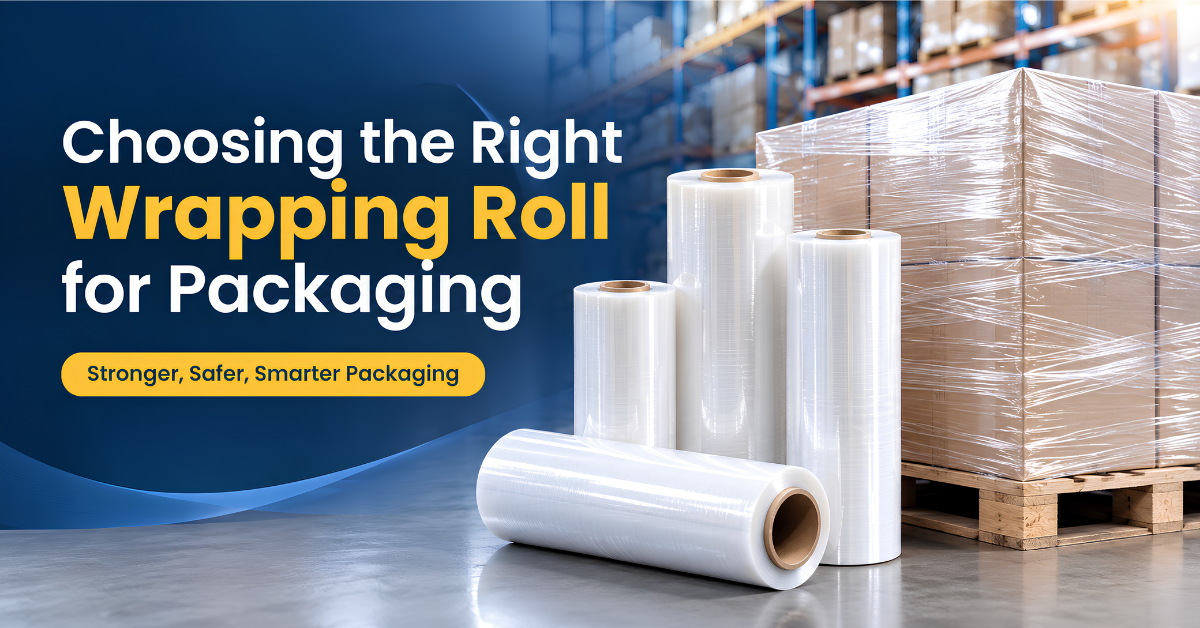
Stretch film remains one of the most commonly used packaging materials for securing palletized goods. It provides load stability by tightly holding products together during storage and transportation.
Industries frequently use stretch wrapping for:
- Warehouse pallet packaging
- Distribution centers
- Manufacturing plants
- Export shipments
- Retail logistics
Its flexibility allows businesses to package products of varying shapes while maintaining consistent load containment.
Industrial Packaging Rolls
Industrial packaging operations often require wrapping solutions for machinery parts, metal components, construction materials, and bulk goods. These applications typically prioritize secure load containment and efficient material usage across larger packaging volumes.
The selected packaging material should support operational productivity without creating excessive packaging waste or slowing production processes.
Commercial Packaging Rolls
Retail distributors, wholesalers, and smaller manufacturers often require packaging solutions for daily dispatch operations. Commercial packaging focuses on balancing product protection with packaging efficiency while maintaining professional shipment presentation.
Businesses shipping mixed product sizes should evaluate packaging materials that offer versatility across multiple packaging requirements.
How to Evaluate Wrapping Roll Quality Before Buying
Not all wrapping materials deliver the same level of packaging performance. Experienced procurement professionals typically evaluate quality based on operational suitability rather than marketing claims.
One important consideration is consistency. Uniform material quality helps maintain predictable packaging performance across multiple production batches, reducing interruptions during packing operations.
Another factor involves ease of application. Packaging materials that unwind smoothly and wrap consistently can improve productivity, especially in high-volume facilities where packaging speed directly impacts operational efficiency.
Buyers should also assess whether the material provides reliable load containment throughout transportation and storage. Packaging failures often become apparent only after products leave the warehouse, making long-term performance more valuable than initial purchase price.
Supplier reliability should not be overlooked either. Consistent product availability, responsive customer support, and dependable delivery schedules contribute significantly to uninterrupted packaging operations.
Common Mistakes Businesses Make When Buying Wrapping Rolls
Many organizations focus almost exclusively on unit pricing while overlooking the broader impact packaging materials have on logistics costs and operational performance. This often results in purchasing decisions that appear economical initially but create higher overall packaging expenses.
One common mistake is selecting packaging materials without fully understanding the products being wrapped. Different industries have unique packaging requirements, and using a generic solution for every application may compromise product protection or increase unnecessary material usage.
Another frequent issue is purchasing wrapping rolls without considering warehouse processes. Materials that are difficult to handle or incompatible with existing packaging methods can reduce productivity and increase labor requirements.
Businesses should also avoid purchasing solely based on roll size. Larger rolls do not automatically improve efficiency if they are unsuitable for current packaging equipment or daily operational needs.
Developing standardized packaging procedures and regularly reviewing packaging performance helps organizations identify opportunities for continuous improvement while reducing avoidable packaging costs.
Choosing the Right Supplier for Your Packaging Requirements
Selecting the right packaging supplier is almost as important as choosing the right packaging material. Reliable suppliers understand industrial packaging requirements and help businesses identify suitable solutions based on practical applications rather than generic recommendations.
When evaluating suppliers, buyers should consider several important factors:
- Industry experience
- Product consistency
- Availability across multiple locations
- Technical product knowledge
- Responsive customer support
- Reliable order fulfillment
- Ability to support growing packaging requirements
Businesses operating across multiple facilities often benefit from suppliers capable of maintaining consistent product availability throughout different regions. Long-term supplier relationships can also simplify procurement processes and improve packaging standardization across manufacturing and distribution operations.
Best Practices for Improving Packaging Efficiency
Selecting the appropriate wrapping roll is only one part of an effective packaging strategy. Organizations that consistently achieve better packaging performance typically combine quality materials with standardized operating procedures and ongoing process improvements.
Regularly reviewing packaging operations allows businesses to identify areas where material usage can be optimized without compromising product protection. Employee training also plays a key role in ensuring wrapping materials are applied consistently across shifts and facilities.
Packaging requirements should be reviewed whenever new products, transportation methods, or warehouse processes are introduced. What works well for one product category may not provide the same level of efficiency for another, making periodic evaluation an important aspect of continuous improvement.
Businesses should also monitor product damage rates, customer feedback, and logistics performance to determine whether packaging adjustments are required. Taking a proactive approach helps reduce avoidable packaging costs while supporting more reliable product delivery.
Conclusion
Choosing the right wrapping roll involves much more than comparing prices or selecting the first available packaging material. Effective packaging decisions require a thorough understanding of product characteristics, transportation conditions, warehouse operations, and long-term business objectives. The right solution protects products, improves handling efficiency, supports organized storage, and contributes to smoother supply chain operations.
Businesses should evaluate packaging materials based on their specific operational requirements rather than relying on one-size-fits-all solutions. By considering product type, packaging methods, supplier reliability, and overall packaging performance, organizations can make more informed purchasing decisions that deliver long-term value.
As packaging continues to play an increasingly important role in manufacturing and logistics, investing time in selecting the appropriate packing roll can help reduce operational inefficiencies while supporting consistent product protection across every stage of the supply chain.