Efficient packaging is essential for protecting products during storage, handling, and transportation. Whether goods are shipped across cities or exported internationally, maintaining load stability and preventing damage are major priorities for manufacturers, warehouses, logistics providers, and distributors. Choosing the right packaging material plays a significant role in achieving these goals while reducing product losses and operational costs.
A plastic wrap roll is one of the most widely used packaging solutions across industries because it securely holds products together while protecting them from dust, moisture, and movement during transit. From pallet wrapping in warehouses to bundling products in manufacturing facilities, stretch wrapping helps businesses improve packaging efficiency without adding significant weight to shipments.
Different industries require different types of stretch films depending on their packaging processes and product characteristics. Understanding where and how a plastic wrap roll is used helps businesses select the most suitable solution for their operations. In this guide, we’ll explore the most common packing applications, the benefits of stretch wrapping, and the factors businesses should consider when choosing the right film.
Why Plastic Wrap Rolls Are Essential for Modern Packaging
As supply chains become faster and more complex, products often pass through multiple stages before reaching customers. Goods are loaded, unloaded, stacked, transported, and stored several times, increasing the risk of shifting, contamination, or physical damage.
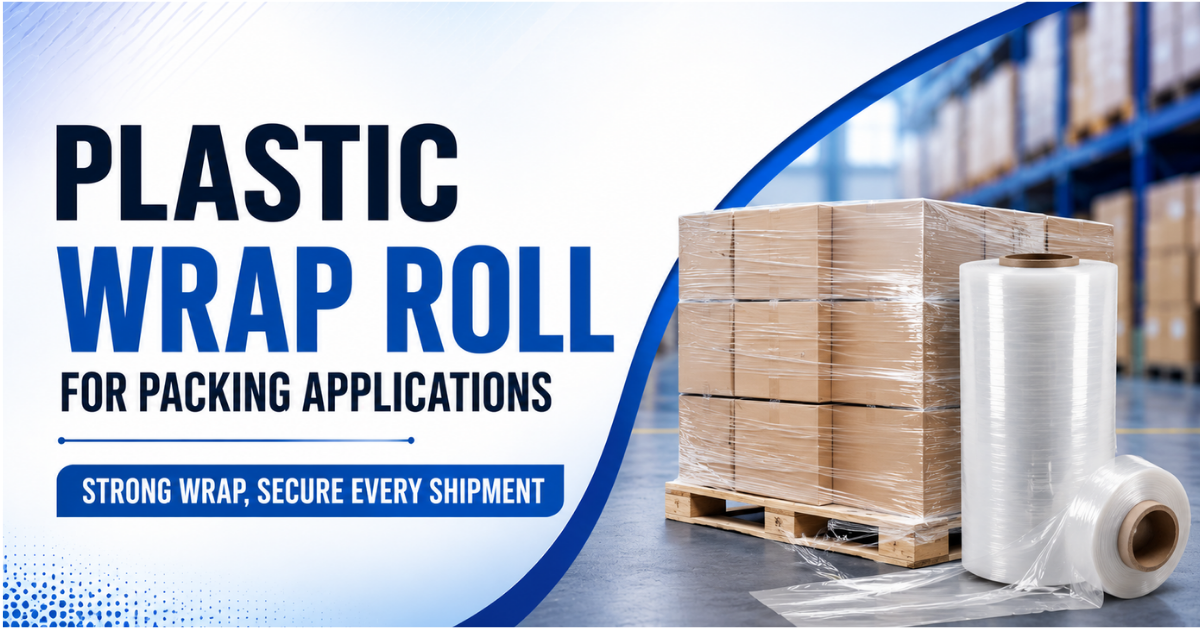
A plastic wrap roll for packing helps stabilize products by tightly securing cartons or palletized loads into a single unit. This reduces movement during transportation and minimizes the chances of damaged packaging or misplaced items.
Besides improving load stability, stretch film also protects products against dust, moisture, and general warehouse contamination. For businesses that regularly transport finished goods, using stretch film contributes to more consistent product quality and safer logistics operations.
Common Packing Applications of Plastic Wrap Roll
The versatility of stretch film makes it suitable for numerous commercial and industrial applications. Different industries use different film types depending on their packaging volume and handling requirements.
Pallet Wrapping
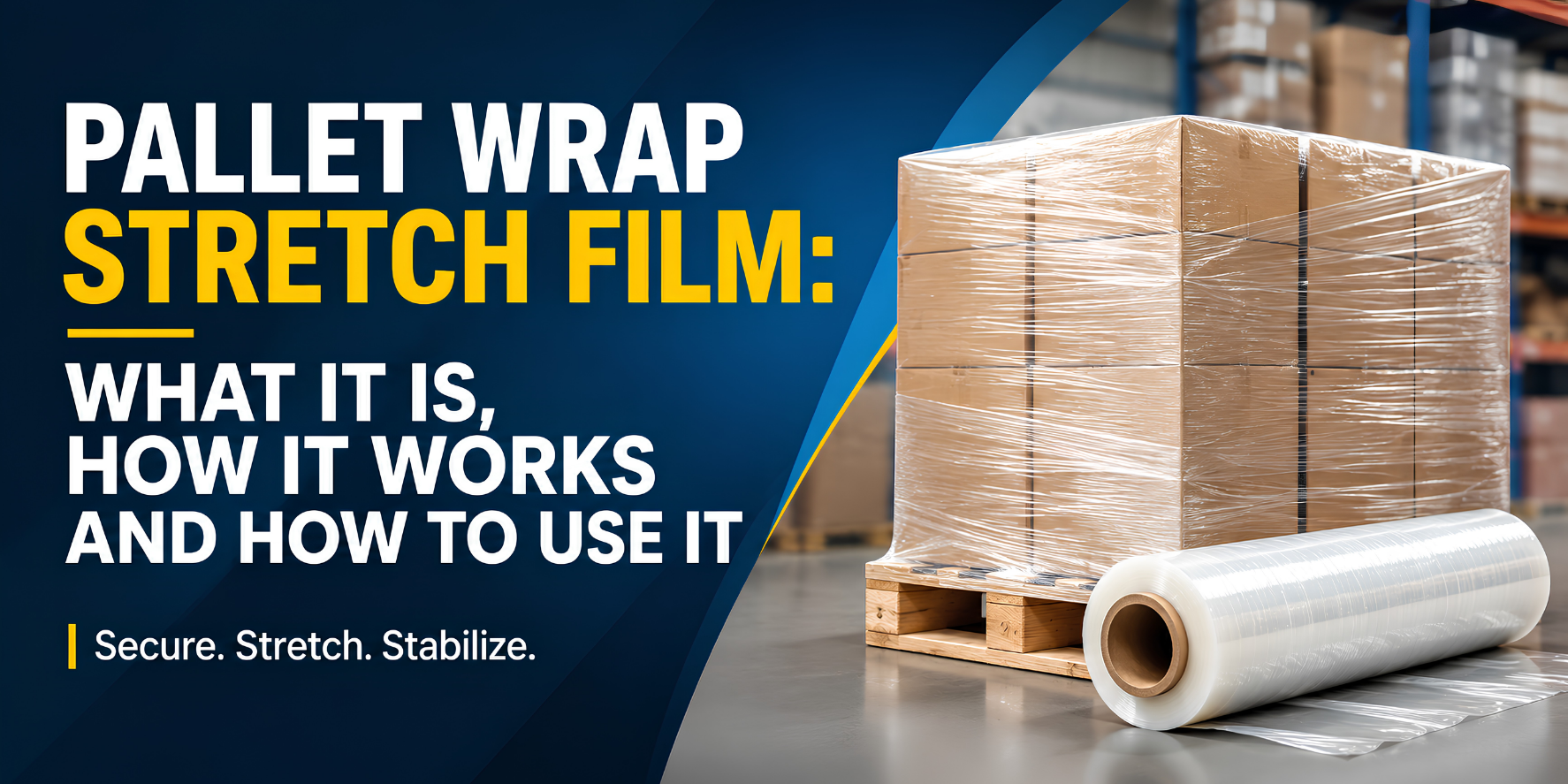
Pallet wrapping is one of the most common applications of stretch film. Warehouses and distribution centres use stretch film to secure cartons on pallets, preventing products from shifting during transportation and storage.
Manufacturing and Industrial Packaging
Manufacturers frequently wrap finished products before shipping them to distributors or retailers. Stretch film keeps products securely bundled while protecting them from dust and environmental exposure during handling.
Warehouse Storage
Products stored for extended periods benefit from stretch wrapping because the film helps maintain clean packaging and prevents cartons from separating while stacked in warehouses.
Export Packaging
Export shipments often travel long distances through varying environmental conditions. Stretch film provides an additional protective layer that improves load stability throughout shipping and logistics operations.
Businesses looking for reliable industrial packaging solutions can explore different Plastic Wrap Roll options designed for manual and machine wrapping applications.
Different Types of Plastic Wrap Rolls
Selecting the correct stretch film depends largely on packaging volume, product weight, and operational requirements.
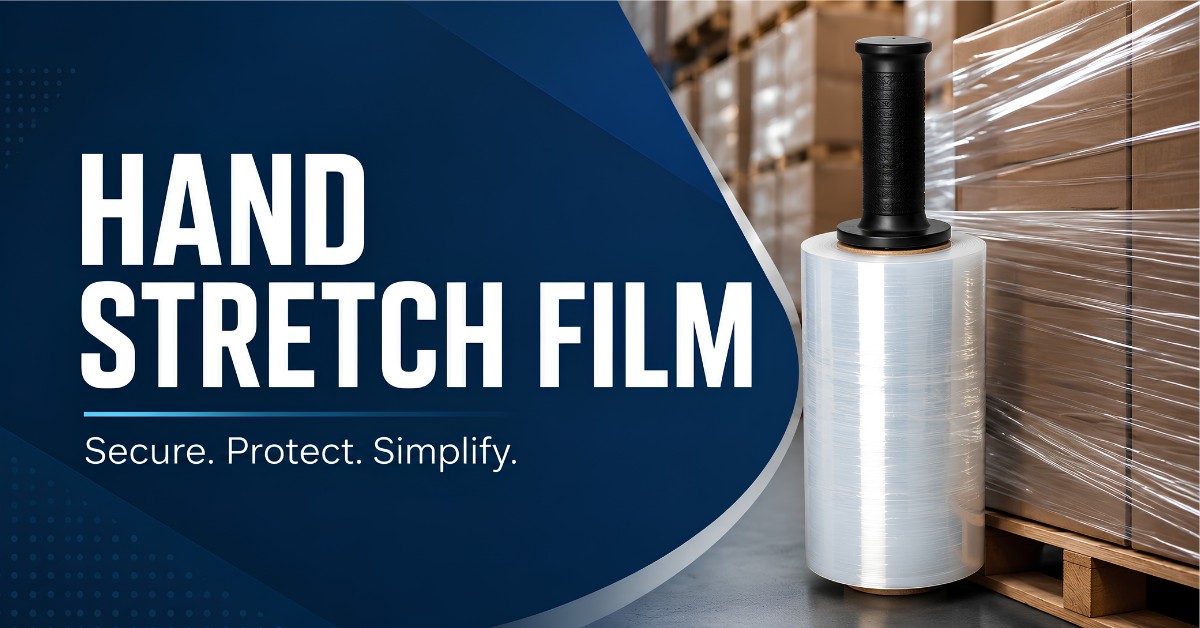
Hand Stretch Film
Hand stretch film is commonly used for manual wrapping applications where packaging volumes are relatively low. It offers flexibility and is suitable for wrapping irregular or smaller pallet loads without specialized equipment.
Machine Stretch Film
Machine stretch film is designed for automated wrapping systems used in high-volume production facilities and warehouses. It provides consistent wrapping quality while improving packaging speed and reducing labour requirements.
Mini Stretch Wrap Rolls
Mini stretch rolls are ideal for bundling smaller products, securing loose components, or wrapping compact packages. They are widely used in manufacturing units, retail packaging, and logistics operations where full-sized rolls are unnecessary.
Specialty Stretch Films
Specialized applications may require films such as UV stretch film for outdoor storage, black stretch film for load concealment, coloured films for easy product identification, or VCI stretch film to protect metal products from rust and corrosion during storage and transportation.
How to Choose the Right Plastic Wrap Roll
Choosing the right plastic wrap roll depends on the type of products being packed, the packaging process, and transportation requirements. Using the correct stretch film improves load stability, minimizes material waste, and enhances packaging efficiency.
One of the first considerations is the application method. Businesses with lower packaging volumes often prefer hand stretch film because it is easy to apply manually and works well for irregular pallet loads. High-volume manufacturing facilities and warehouses generally benefit from machine stretch film, which delivers consistent wrapping and faster packaging speeds.
Film thickness is another important factor. Lighter loads may require thinner films, while heavier or unstable pallet loads need stronger films with higher puncture resistance. Companies should also evaluate environmental conditions, such as outdoor storage or export shipping, to determine whether specialty films like UV stretch film or VCI stretch film are required.
Benefits of Plastic Wrap Rolls Across Industries
Stretch film has become an essential packaging material because it serves multiple industries with different packaging needs while improving product protection and logistics efficiency.
Warehousing and Logistics
Warehouse operators rely on stretch film to stabilize pallet loads during storage and transportation. Secure wrapping reduces product movement, helping minimize damage during loading, unloading, and distribution.
Manufacturing
Manufacturing companies use plastic wrap roll for packing finished products before dispatch. Proper wrapping protects products from dust, moisture, and handling damage while maintaining organized pallet loads throughout the supply chain.
Food and Beverage
Food packaging businesses use appropriate stretch films to keep packaged products clean during storage and transportation. Protective wrapping also helps maintain packaging integrity before products reach retailers.
Export and Shipping
Products shipped over long distances are exposed to varying handling conditions. Stretch film helps maintain pallet stability and provides an additional protective layer that reduces transit-related damage throughout domestic and international logistics.
Best Practices for Effective Stretch Wrapping
Using high-quality stretch film is only part of an effective packaging strategy. Proper wrapping techniques help maximize the film’s performance while improving operational efficiency.
Before wrapping, pallets should be stacked evenly to create a stable load. Products should be aligned properly to reduce overhang and improve overall balance during transportation.
The stretch film should be applied with consistent tension to ensure secure load containment without damaging packaged goods. Wrapping should begin at the base of the pallet and gradually move upward with sufficient overlap between layers to provide uniform stability.
Businesses using machine stretch film should regularly inspect wrapping equipment to maintain consistent film application and reduce unnecessary material consumption.
Common Packing Mistakes to Avoid
Even premium stretch film may not deliver the desired results if incorrect wrapping practices are followed.
Some of the most common mistakes include:
- Selecting the wrong type of stretch film for the application.
- Applying insufficient film tension, resulting in unstable pallet loads.
- Using excessive film, which increases packaging costs unnecessarily.
- Wrapping uneven or poorly stacked pallets.
- Ignoring environmental conditions when selecting specialty stretch films.
Avoiding these issues helps businesses improve packaging quality while reducing product damage and material waste.
Conclusion
A plastic wrap roll is one of the most practical packaging solutions for securing products throughout storage, transportation, and distribution. By stabilizing pallet loads and protecting goods from dust, moisture, and movement, stretch film helps businesses reduce transit damage while improving supply chain efficiency.
Selecting the right type of stretch film whether hand stretch film, machine stretch film, or a specialty variant ensures packaging performs reliably under different operational conditions. Combined with proper wrapping techniques and regular quality checks, the right stretch film supports safer logistics, lower packaging costs, and improved customer satisfaction.
For manufacturers, warehouses, exporters, and logistics providers, investing in the appropriate plastic wrap roll is an effective way to enhance product protection and maintain consistent packaging performance across every shipment.